
Warum dieses Thema in der Produktion zählt
Welche Kennzahlen die Entscheidung tragen
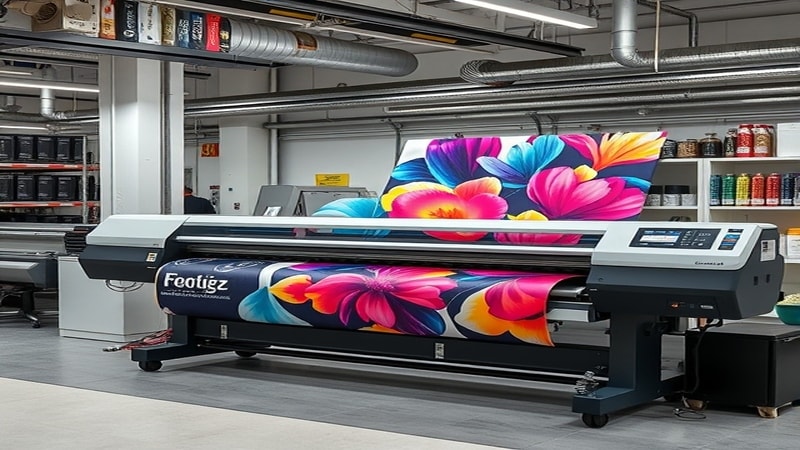

Was Maschinenkonfiguration und Bedienstandard leisten müssen
-
1. Startkosten:
Tiefdruck: Erfordert gravierte Zylinder mit hohen Kosten und langen Vorlaufzeiten. Die Investition lohnt sich vor allem bei sehr großen Auflagen.
Flexodruck: Nutzt flexible Klischees mit deutlich geringeren Kosten und kürzeren Vorbereitungszeiten.
Vorteil Flexodruck: bei mittleren und kleineren Serien, variablen Losgrößen und häufigen Motivwechseln. -
2. Produktionsflexibilität:
Tiefdruck: Jede Grafik- oder Formatänderung erfordert neue Zylinder.
Flexodruck: Ermöglicht schnellere Jobwechsel und eine bessere Anpassung an Varianten und Individualisierungen.
Vorteil Flexodruck: in dynamischen Märkten mit hohem Time-to-Market-Druck. -
3. Produktionsvolumen:
Tiefdruck: Am wirtschaftlichsten bei sehr langen, wiederkehrenden Auflagen.
Flexodruck: Wettbewerbsfähig über ein deutlich breiteres Volumenspektrum, von mittleren bis großen Serien.
Vorteil Flexodruck: Tiefdruck bleibt bei extremen Mengen stark, Flexodruck deckt heute jedoch die meisten realen Industrieanforderungen ab.
-
4. Druckqualität:
Tiefdruck: Galt historisch als qualitativ überlegen, diese Annahme muss heute differenzierter betrachtet werden.
Flexodruck: Moderne industrielle Flexodruckmaschinen sichern präzises Register, hohe Farbqualität und gleichmäßigen Druck auf dünnen Folien.
Vorteil Flexodruck: In vielen Verpackungs- und Etikettenanwendungen ist der sichtbare Unterschied heute minimal oder nicht mehr relevant. -
5. Nachhaltigkeit und Makulatur:
Tiefdruck: Zylindergravur, intensiver Lösemitteleinsatz und höhere Produktionsrigidität.
Flexodruck: Weniger Makulatur, Möglichkeit wasserbasierter Farben und bessere Kompatibilität mit nachhaltigen Materialien.
Vorteil Flexodruck: aus Sicht von ESG-Anforderungen und Umweltkonformität.
Wie OFEM Projekte technisch absichert
Bereit, Zeiten und Produktionskosten zu senken und die Rentabilität zu steigern?
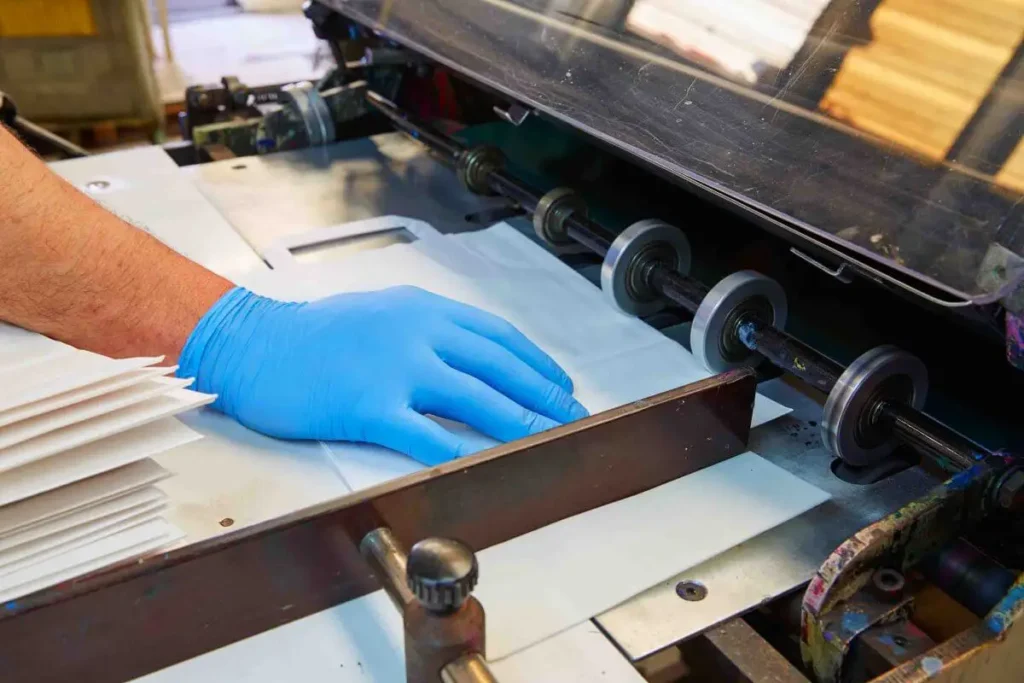
Ofem: Ihr Partner für den Flexodruck
Gerne beantworten wir Ihre Fragen und helfen Ihnen dabei, die passende Lösung für Ihre Anforderungen zu finden.
Wie wir Sie unterstützen:
- Immer aufmerksam für unsere Kunden
- Bereit, Sie bestmöglich zu unterstützen
- Mehr als zehn Jahre Erfahrung
- Ergebnisorientiert
- Problemlösung auf höchstem Niveau
- Transparente Beratung
Was passiert als Nächstes?
Lassen Sie uns ein unverbindliches Telefongespräch vereinbaren
Wir planen ein oder mehrere Treffen vor Ort oder online
Wir erstellen für Sie ein unverbindliches Angebot
Kostenlose Beratung vereinbaren
FAQ
Was ist der wichtigste Unterschied zwischen Flexodruck und Tiefdruck?
Tiefdruck ist stark bei sehr hohen stabilen Auflagen, Flexodruck bei Varianten, Rüstflexibilität und wirtschaftlicher Anpassung.
Wann ist Flexodruck gegenüber Tiefdruck wirtschaftlicher?
Flexodruck wird interessant, wenn Jobwechsel, Variantenvielfalt, Plattenkosten, Lieferzeiten und Makulatur stärker zählen als maximale Auflagenhöhe.
Welche Kriterien entscheiden im Vergleich?
Auflage, Substrat, Druckbild, Farbmanagement, Rüstzeit, Investition, Wiederholaufträge und Flexibilität müssen gemeinsam bewertet werden.
Ist Flexodruck für hochwertige Verpackungsdrucke geeignet?
Ja, wenn Maschine, Anilox, Farbe, Trocknung, Registerkontrolle und Bedienstandard sauber abgestimmt sind.
Warum wechseln Unternehmen vom Tiefdruck zum Flexodruck?
Viele wechseln wegen kleinerer Losgrößen, mehr Varianten, kürzerer Lieferzeiten und niedrigerer Einrichtungskosten.
Welche Rolle spielt Nachhaltigkeit im Vergleich?
Weniger Makulatur, effizientere Rüstprozesse und passende Farb- und Trocknungssysteme können die Umwelt- und Kostenbilanz verbessern.
Wann bleibt Tiefdruck die bessere Lösung?
Tiefdruck kann sinnvoll bleiben, wenn extrem hohe Auflagen mit sehr stabilem Motiv und klarer Kostenstruktur produziert werden.
Wie beeinflusst Substratwahl die Entscheidung?
Materialstabilität, Oberfläche, Farbannahme und Trocknung bestimmen, welches Druckverfahren technisch und wirtschaftlich passt.
Warum ist Flexodruck für Markenvarianten attraktiv?
Varianten, saisonale Motive und kleinere Serien lassen sich mit Flexodruck häufig schneller und wirtschaftlicher abbilden.
Wie unterstützt OFEM beim Verfahrensvergleich?
OFEM bewertet Produktionsdaten, Qualitätsziel, Investitionsrahmen und Prozessrisiken, bevor eine Maschinenarchitektur empfohlen wird.