
CI Flexo Press for Thin Films
In live production, ci flexo press for thin films stays reliable only when setup, control checks, and handover run under one operating standard.
A UK decision maker treats CI Flexo Press for Thin Films as an architecture choice tied to service profile, register behaviour, and conversion economics.
Validation is complete only when the process window holds through the full run, not after the first setup.
How CI vs stack changes register drying and make-ready
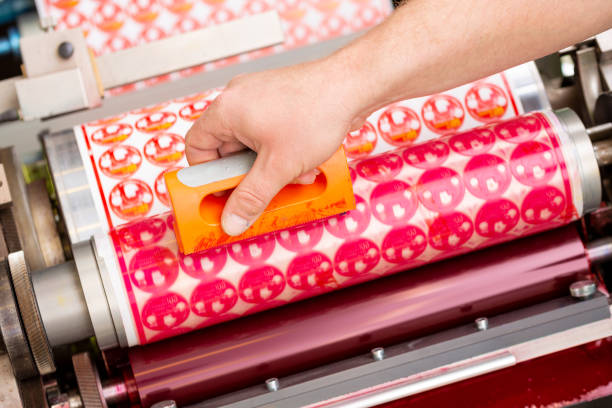
The trigger is non-linear: variables that look independent start reinforcing each other. Under mixed order portfolios, the decision has to be closed on stable output, not declared top speed.
Margin compression starts once saleable output fails to recover minutes absorbed by resets. If architecture selected without demand evidence climbs, hidden cost becomes structural. In CI-versus-stack decisions, stability appears when register and drying stay aligned across repeated changeovers.
Live jobs with shared KPIs are the only reliable comparison base (register stability at target speed) and release is not sustainable when values diverge.
Where register stability actually breaks at target speed?
Under live load, where register stability actually breaks at target speed shifts in ways bench tests rarely expose: The metric that matters is register stability at target speed read against live stabilisation time. When KPI drift repeats on subsequent format changes, release loses stability and critical settings need alignment.
When central print helps and when it does not?
The most common technical cause is not isolated; it comes from the interaction between substrate behavior and live setup.
Floor checks to match architecture with job mix
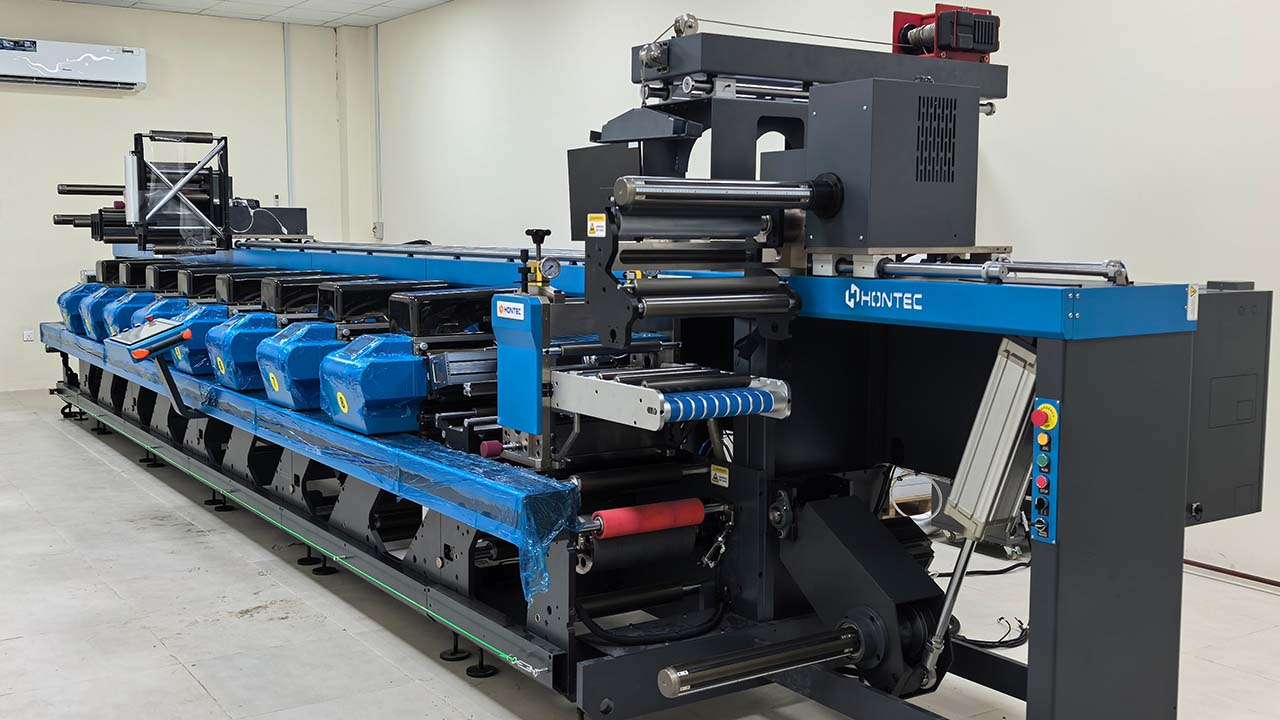
The main risk is not the isolated defect; it is repeat recurrence across consecutive lots. CI versus stack is not a preference call; it shows up daily in setup minutes and register stability.
A wrong architecture choice rarely hurts in one day. It hurts at month close in flexographic production.
The critical issue is recurrence: a short anomaly can become structural after a few changeovers. If register stability at real production speed does not hold on real mix, setup and planning require immediate revision.
Fast changeovers and the hidden cost of long make-ready
The economic pressure becomes clear when lost time grows faster than the gain from speed.
What holds real throughput?
The useful read comes from waste analysis on first meters after changeover, not from one top-speed run.
- Lead KPI: register stability at target speed.
- Decision criterion: fit to demand/tolerance profile.
- Primary risk: architecture selected without demand evidence.
Final choice on usable capacity waste and good-meter cost
An industrial decision is defensible only when technical signals hold outside best-case conditions. When make-ready stretches, capacity is consumed before value is printed.
A choice is robust when the same criterion survives non-ideal scenarios, not only clean trials. In final choice on usable capacity waste and good-meter cost, differences appear during dense changeovers, not during controlled demos.
Same substrate, same run length, same metric. Otherwise the comparison is noise.
Reading OEE and waste together without false confidence
Decision quality is proven by repeat behavior in realistic variability, not in one favorable run. On the floor, a recurring pattern appears around reading oee and waste together without false confidence: The issue is often acknowledged late: it starts on press and is confirmed only after margin is already reduced. What matters here is coherence between average changeover time by job family and real material window.
Operational signals that mean the choice must be revisited
On the floor, a recurring pattern appears around operational signals that mean the choice must be revisited: The trigger is non-linear: variables that look independent start reinforcing each other. Cost pressure appears in line saturation under full-shift load.
To keep gains in place, CI Flexo Press for Thin Films remains credible as an operating standard only with shared KPIs, scheduled checks, and clear cross-functional ownership. Financial resilience is visible when saleable output, changeover time, and crew-to-crew variability hold the same trend on comparable jobs.
Fit to demand profile affects outcomes only when teams read it through the same metric frame on the flexographic line.
On operating economics by architecture, the useful difference appears in flexographic scenario comparison, not in isolated shift data.
The most useful interpretation appears when quality data and lost time are read as one operating picture.
The root mechanism usually sits in the coupling between material window and machine adjustment.
When conditions are aligned on the flexographic production line, the true divergence becomes visible without forcing interpretation.
Under live load, behavior shifts in ways bench tests rarely expose: Fit to demand profile affects outcomes only when teams read it through the same metric frame on the flexographic line.
FAQ
Which KPI best separates a sound CI decision from an inefficient stack setup?
For CI versus stack, read register stability at target speed together with make-ready time, because one-sided gains can hide operating loss.
How should register behaviour be measured during frequent changeovers?
Frequent changeovers expose architecture differences during ramp-up and first saleable meters, not during idle demonstrations.
When does make-ready time erase the theoretical gain of the selected architecture?
Long make-ready consumes usable capacity before the run starts generating value within press-floor operations.
Which production test prevents perception-driven machine choice?
Side-by-side validation on real jobs with matched substrates, run lengths, and acceptance metrics gives the only reliable baseline.
In which scenario should CI vs stack be reassessed after initial ramp-up?
If micro-stops or crew-to-crew variability rise, reassess the CI/stack decision with updated production evidence.