
High-Throughput Self-Adhesive Label Printing
Under mixed job pressure, high-throughput self-adhesive label printing needs short but disciplined checks to prevent shift-to-shift drift.
A UK decision maker evaluates High-Throughput Self-Adhesive Label Printing through measurable risk, performance, and cost trade-offs.
Repeatability across shifts becomes a release rule only when a KPI drift out of limit triggers immediate lot and setting review within press-floor operations.
Where process stability is usually lost on press
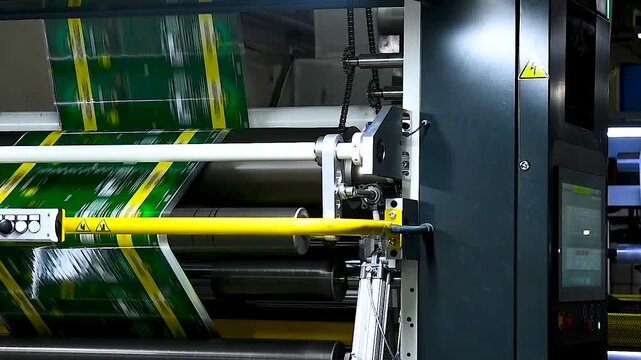
On the floor, a recurring pattern appears around where process stability is usually lost on press: Most defects surface after the moment when correction would still be cheap on the flexo line.
Margin compression starts once saleable output fails to recover minutes absorbed by resets. Once incomplete floor data rises, margin falls before formal alarms. Operational stability is proven by repeatability across shifts, not by a single clean startup in flexographic production.
The economic pressure becomes clear when lost time grows faster than the gain from speed. Close with indicators that hold across full shifts (make-ready waste) on the flexo line.
Which variable gives the first drift signal?
On the floor, a recurring pattern appears around which variable gives the first drift signal: When crews apply same control sequence on every shift differently, the defect disappears and returns on the next batch. The technical hinge is holding process window discipline inside readable limits under load in flexographic production.
How to set one useful threshold per crew?
The most common technical cause is not isolated; it comes from the interaction between substrate behavior and live setup. The economics erode quietly: a bit more waste, a bit more lost time on every changeover.
Technical controls that prevent waste and rework
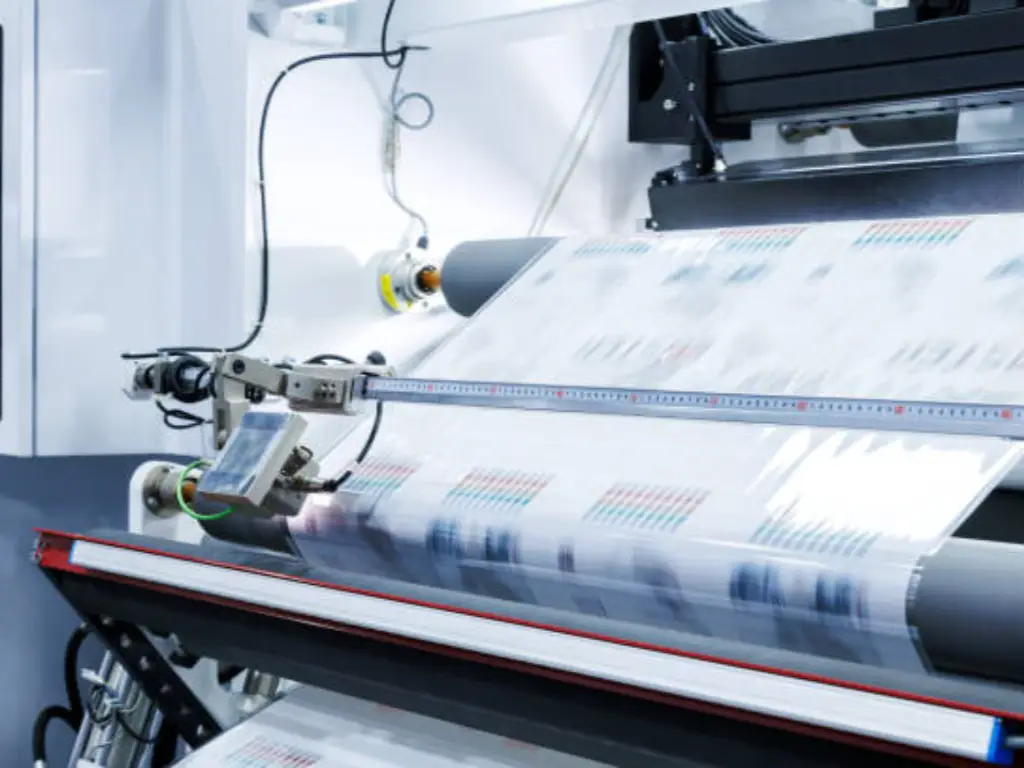
Late correction often costs more than early verification on the flexo line. When recovery time grows on comparable work, the line is absorbing unresolved drift.
Quality impact has to be read live, not in end-of-day summaries. Reading KPI, waste, and continuity together avoids decisions based on isolated signals.
The critical issue is recurrence: a short anomaly can become structural after a few changeovers. Write down verifiable kpi baseline and keep it visible on floor within press-floor operations.
Operational routines that cut recurring errors
An industrial decision is defensible only when technical signals hold outside best-case conditions. The trigger is non-linear: variables that look independent start reinforcing each other. What matters here is coherence between register stability during changeovers and real material window.
How to make shift handover operationally reliable?
On the floor, a recurring pattern appears around how to make shift handover operationally reliable: On the floor, a recurring pattern appears around how to make shift handover operationally reliable: The critical issue is recurrence: a short anomaly can become structural after a few changeovers. Cost pressure appears in weekly production continuity.
- Lead KPI: make-ready waste.
- Decision criterion: technical coherence with workflow.
- Primary risk: incomplete floor data.
Closing the decision with line KPIs and economics
When load rises, closing the decision with line kpis and economics separates stable process from constant correction mode.
The main risk is not the isolated defect; it is repeat recurrence across consecutive lots. Impact lands in weekly production continuity.
Across equivalent production scenarios, one concrete difference appears that daily averages usually hide. If it depends on one operator, it is not a process yet on the flexo line.
KPIs to read together before scale-up
The first signal shows up in execution rhythm before quality alarms become explicit: The metric that matters is shift productivity read against live stabilisation time in flexographic production. Stability depends on shared thresholds for critical variables plus clean handover in flexographic production.
When one standard is ready for multiple lines?
On the floor, a recurring pattern appears around when one standard is ready for multiple lines: On the floor, a recurring pattern appears around when one standard is ready for multiple lines: The most common technical cause is not isolated; it comes from the interaction between substrate behavior and live setup. When crews apply same technical read sequence on every shift differently, the defect disappears and returns on the next batch.
To keep gains in place, High-Throughput Self-Adhesive Label Printing remains credible as an operating standard only with shared KPIs, scheduled checks, and clear cross-functional ownership. Financial resilience is visible when saleable output, changeover time, and crew-to-crew variability hold the same trend on comparable jobs.
When make-ready waste slips without an obvious recipe shift, the cause is usually hidden in live execution order on the flexo line.
Operating priorities affects outcomes only when teams read it through the same metric frame in flexographic production.
From a technical angle, the same recipe can behave differently when substrate, ink system, and converting thermal window move together.
The most useful interpretation appears when quality data and lost time are read as one operating picture.
FAQ
Why does tracking 'make-ready waste' give an early signal on process stability?
Track make-ready waste with quality stability; divergence means instability. Operational stability is proven by repeatability across shifts, not by a single clean startup.
What is the most effective way to reduce the risk of 'incomplete floor data'?
The most expensive risk is usually incomplete floor data, and it repeats without a short routine in flexographic production.
How does the criterion 'technical coherence with workflow' improve decision speed without harming quality?
Standardisation holds only when technical coherence with workflow is explicit and shared within press-floor operations.
How should shift handover be structured to avoid late corrective action?
Handover should log value, correction, and recovery time so anilox, viscosity, and register stays traceable.
Which daily check gives the best balance between effort and impact?
A light daily loop prevents heavy corrective work later on the flexo line.