
How to Choose Web Width and Print Repeat for a Flexographic Press
Under mixed job pressure, how to choose web width and print repeat for a flexographic press needs short but disciplined checks to prevent shift-to-shift drift.
A UK decision maker treats How to Choose Web Width and Print Repeat for a Flexographic Press as a sizing decision: align web width and repeat with demand instead of buying theoretical capacity.
Repeatability across shifts becomes a release rule only when a KPI drift out of limit triggers immediate lot and setting review within press-floor operations.
From order mix to machine constraints on web width and repeat
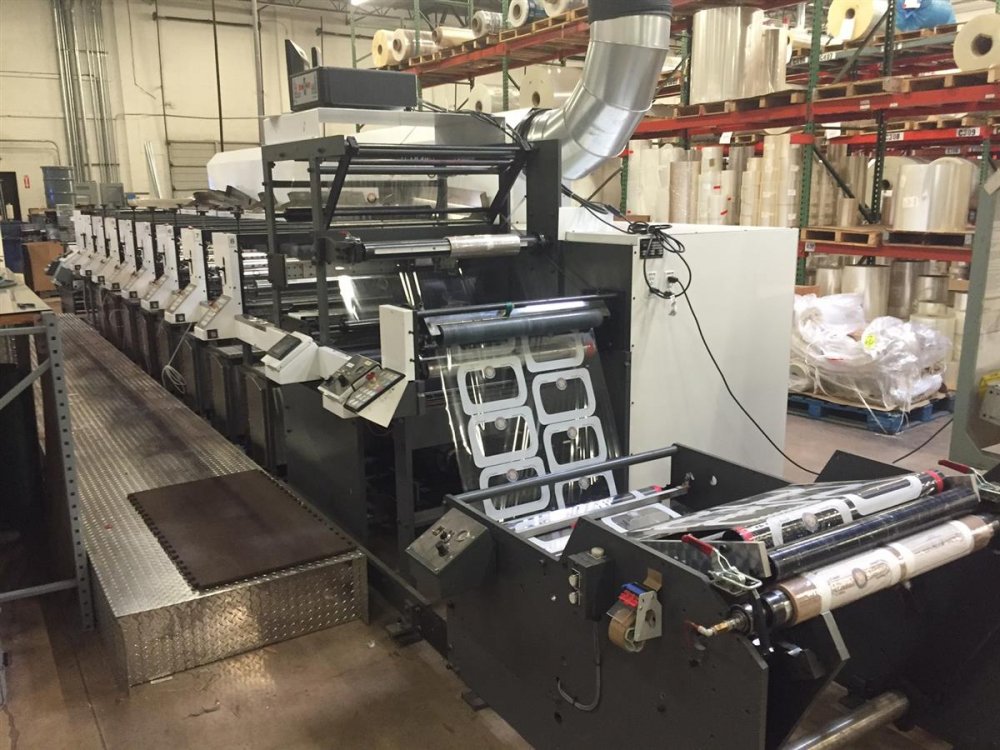
The most common technical cause is not isolated; it comes from the interaction between substrate behavior and live setup. Oversized width locks fixed cost quickly when real utilisation does not climb within press-floor operations.
Margin compression starts once saleable output fails to recover minutes absorbed by resets. If waste and setup consequences miss job reality, micro-stops rise before OEE reacts.
The main risk is not the isolated defect; it is repeat recurrence across consecutive lots. Early correction is cheaper than carrying bad sizing through peak season on the flexo line.
Real format mix before committing capacity
The first signal shows up in execution rhythm before quality alarms become explicit: Process drift usually appears first as lost shift time, before quality alarms become explicit. Setup coherence is visible when width/repeat fit to real demand stays in limit across comparable changeovers.
Where waste starts?
An industrial decision is defensible only when technical signals hold outside best-case conditions. The root mechanism usually sits in the coupling between material window and machine adjustment. The issue is often acknowledged late: it starts on press and is confirmed only after margin is already reduced.
Where waste and downtime come from when sizing is wrong
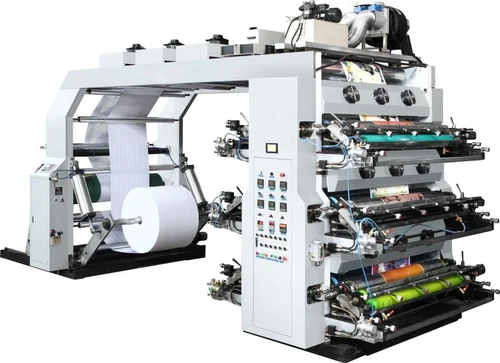
The technical hinge is format-to-width fit; coherence between repeat length cylinder development and imposed layouts drives startup waste in flexographic production.
The critical issue is recurrence: a short anomaly can become structural after a few changeovers. Frequent format switches can turn a neat setup into a throughput bottleneck. Usable capacity improves when imposition reflects the live order mix rather than idealized test layouts.
The trial read stabilises across three comparable live lots and read repeat-related waste together with waste and changeover time.
Oversized web width and fixed-cost drag
In web-width and repeat sizing, drift starts small and then shows up as repeated short stops. The economics erode quietly: a bit more waste, a bit more lost time on every changeover.
Repeat settings that look right but fail on live jobs
The metric that matters is startup time by format read against live stabilisation time on the flexo line.
- Lead KPI: effective web utilisation.
- Decision criterion: width/repeat fit to real demand.
- Primary risk: oversized width with weak utilisation.
Final decision: quality, cost, and line stability
Under live load, final decision: quality, cost, and line stability shifts in ways bench tests rarely expose: Waste and make-ready tracking for the selected repeat range shows quickly whether repeat range matches live demand.
On the floor, a recurring pattern appears around final decision: quality, cost, and line stability: On the floor, a recurring pattern appears around final decision: quality, cost, and line stability: Sizing errors usually start from one bad habit: choosing from catalog data instead of real order mix.
If quality of installed capacity utilisation does not improve in pilot, early revision remains the lower-cost path.
Minimum KPIs to close the choice in 90 days
Across equivalent production scenarios, one concrete difference appears that daily averages usually hide. On the floor, a recurring pattern appears around minimum kpis to close the choice in 90 days: Stability depends on shared thresholds for critical variables plus clean handover in flexographic production. A common mistake is chasing ideal setup while fixed cost above delivered value keeps growing.
When to adjust setup without sacrificing throughput?
The trigger is non-linear: variables that look independent start reinforcing each other. Process drift usually appears first as lost shift time, before quality alarms become explicit. The technical hinge is holding usable width, repeat fit, and make-ready window inside readable limits under load.
To keep gains in place, How to Choose Web Width and Print Repeat for a Flexographic Press remains credible as an operating standard only with shared KPIs, scheduled checks, and clear cross-functional ownership. Financial resilience is visible when saleable output, changeover time, and crew-to-crew variability hold the same trend on comparable jobs.
FAQ
Which historical dataset should drive web-width and repeat decisions first?
Start with live order history, because brochure capacity does not capture the real mix of formats and run lengths within press-floor operations.
When does oversized width become fixed cost with no operational return?
Oversized width pays back only at sustained utilisation; otherwise fixed cost grows faster than throughput value on the flexo line.
How does repeat length interact with format mix to reduce waste?
Repeat settings need to match the actual format mix or both startup waste and short stops will increase in flexographic production.
How can a 90-day pilot confirm better width utilisation and margin?
Over a 90-day period, width utilisation, changeover time, and average waste should improve together. With width and repeat aligned to real demand, changeovers remain predictable even under mixed SKU pressure.
Which OEE threshold signals that sizing assumptions need revision?
If OEE stays flat while repeat settings misaligned with real run lengths rise, the sizing model is out of alignment on the flexo line.