Flexographic printing: the right choice for sustainable and customized packaging-de

Flexographic printing is characterized by  high production speed    and relatively low costs compared to other printing techniques, such as rotogravure or offset printing, especially on long runs. This makes it the ideal choice for pharmaceutical packaging-de, where it is essential to have a large-scale production while maintaining    high quality standards  and guaranteeing very high possibilities  customization.


What is flexographic printing

Flexographic printing, also called flexo, is a direct rotary printing process that transfers ink from a flexible relief plate to the printing substrate. This method is extremely effective on a wide range of materials, including plastic films, paper, cardboard and composite materials, making it ideal for packaging-de and industrial applications.

Flexographic printing is now one of the most widely used industrial printing technologies in the world thanks to its production efficiency-de, application versatility and operational profitability.

This methodology, based on flexible rotational clichés, has evolved with automation-de and technological innovation-de, becoming a strategic solution for companies that want to remain competitive in the global market of packaging-de, labels-de and industrial media.

Production efficiency-de as a driver of competitiveness

One of the main advantages of flexographic printing is production speed. Modern flexographic systems reach very high speeds, allowing companies to complete large volumes in reduced times, respecting the most stringent deadlines of the market.

This efficiency-de not only reduces delivery times, but also allows to optimize the use of productive resources, improving the industrial profitability thanks to increased output with the same input.

Operating costs and materials optimization

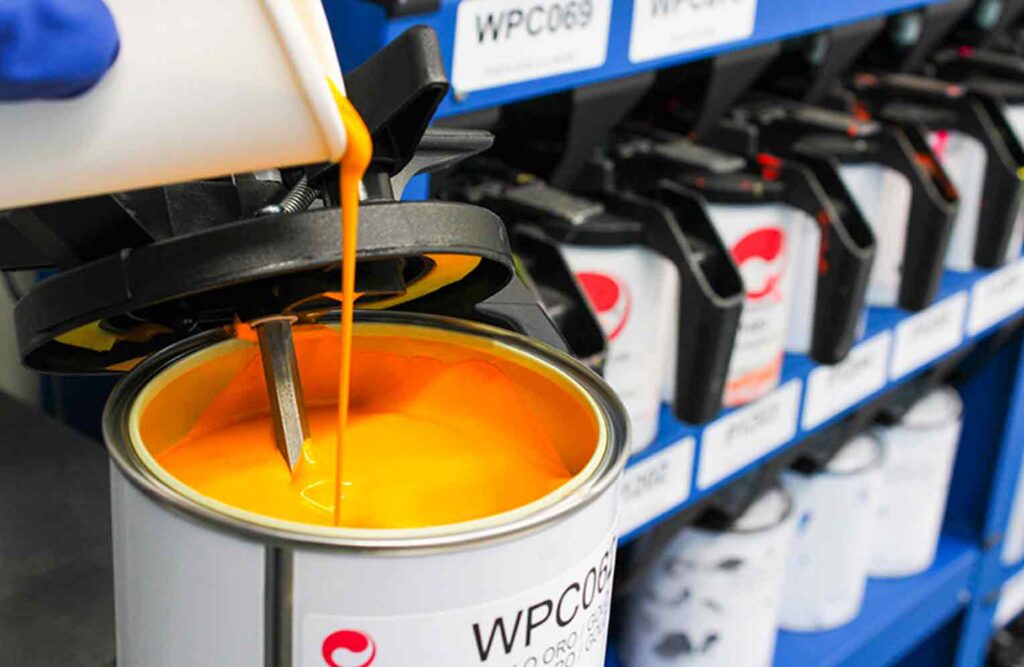
Flexographic printing enables significant savings in operating costs. Printing plates are cheaper to produce than in other traditional technologies and can be reused for multiple runs before replacement is needed.

Moreover, thanks to high speed and reduced waste, profitability per produced unit improves: a key factor for competing on price and margins in saturated markets.

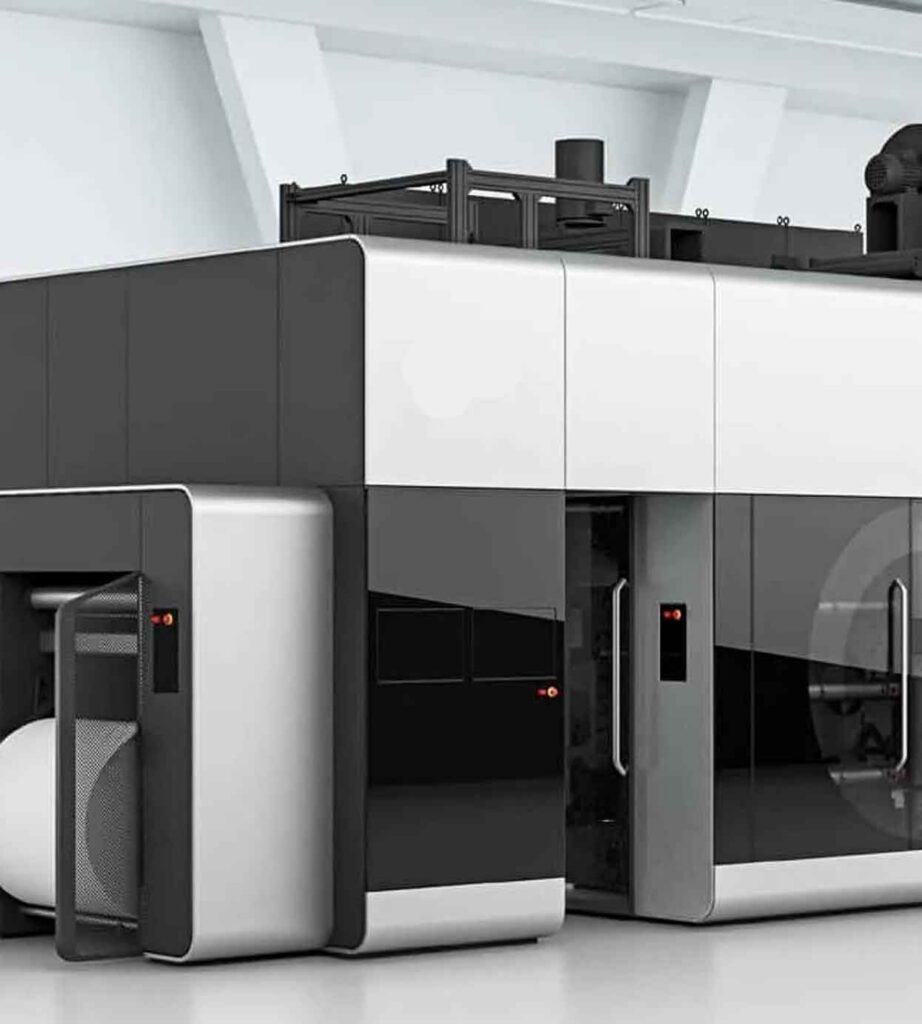
flexographic printing press

Printing quality and perceived product value

Technological developments have led flexographic printing to reach levels quality comparable to other more expensive printing technologies, with sharp details and repeatable colors.

This is crucial for brands that want to differentiate on the shelf: high quality printing results in superior perception of the product, affecting purchasing decisions and increasing consumer loyalty.

Sustainability as a competitive advantage

In addition to economic benefits, flexographic printing offers environmental benefits that align with corporate sustainability strategies. The use of low-impact inks, the ability to print on recyclable materials and the optimization of emissions make flexography a technology suitable also for enterprise social responsibility programs.

This combination of productive performance and eco-compatibility helps companies to better position themselves towards consumers and regulators, especially in the most sensitive segments to environmental issues.

Production flexibility and cost control

Flexographic printing is able to manage both medium-high shots and customized quantities, with relatively fast set-up times and constant output.

This level of production flexibility allows enterprises to respond with agility to variable market demands, maintaining cost control also on variable volumes and protecting profits.

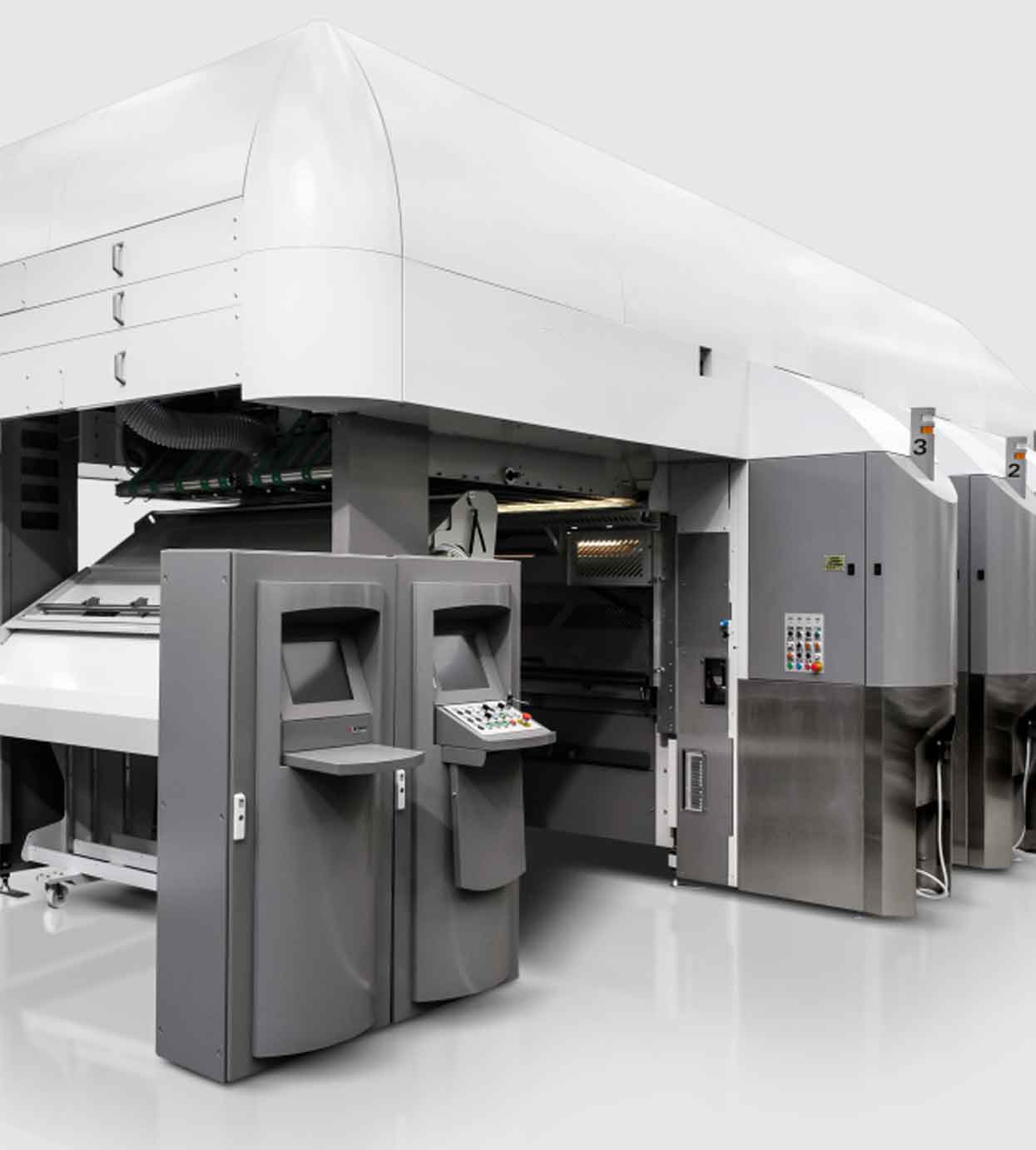
machines for industrial flexographic printing
Versatility materials and new markets

One of the strengths of flexographic printing is its compatibility with a variety of materials which include paper, plastic films, biodegradable and laminated materials.

This versatility of materials allows companies to:

  • quickly adapt to market demands,

  • make packaging-de for different sectors (food, cosmetic, pharmaceutical),

  • explore new product segments without changing print technology.

Flexographic printing is a key pillar for modern industry thanks to its ability to combine high productivity, cost efficiency-de, application versatility and print quality. These features not only improve industrial profitability, but provide companies with a real competitive advantage in the global landscape, where responding rapidly to market needs with efficiency-de and innovation-de is increasingly essential.

shape down purple

Why switch to a flexographic press in your Industrial sector

Flexographic printing is:

High speed
Continuous production
Film printing
Material
Low unit costs
Industrial printing
Reduction of waste
Repeatable quality

Are you ready to jump quality in your industry?

FAQ

Editorial Q&A

Q: What is the most common mistake when evaluating How Flexographic Printing Improves Competitiveness and Profitability in Modern Industry?

A: The most common mistake is evaluating only the purchase price and ignoring setup time, waste, and process consistency.

Q: How can we measure whether How Flexographic Printing Improves Competitiveness and Profitability in Modern Industry is improving production performance?

A: Track startup waste, stable-speed output, repeatability across jobs, and intervention rate by operators.

Q: When does How Flexographic Printing Improves Competitiveness and Profitability in Modern Industry become a strategic investment and not only a technical upgrade?

A: It becomes strategic when quality remains stable over time and process variability decreases across shifts.

Q: Which technical checks should be completed before scaling How Flexographic Printing Improves Competitiveness and Profitability in Modern Industry?

A: Validate substrate behavior, registration stability, downtime causes, and maintenance-de windows under real workloads.

Q: How do we keep How Flexographic Printing Improves Competitiveness and Profitability in Modern Industry reliable after go-live?

A: Use a recurring checklist, assign clear ownership, and review machine and process KPIs on a fixed cadence.

Kontakt

Ofem: Ihr Partner für den Flexodruck

Gerne beantworten wir Ihre Fragen und helfen Ihnen dabei, die passende Lösung für Ihre Anforderungen zu finden.

Wie wir Sie unterstützen:
Was passiert als Nächstes?
1

Lassen Sie uns ein unverbindliches Telefongespräch vereinbaren

2

Wir planen ein oder mehrere Treffen vor Ort oder online

3

Wir erstellen für Sie ein unverbindliches Angebot

Kostenlose Beratung vereinbaren